
Beyond breaking barriers: Why young women must help shape the future of engineering
Engineering has always been about shaping the future—designing systems, solving complex problems, and pushing the boundaries of what is possible.

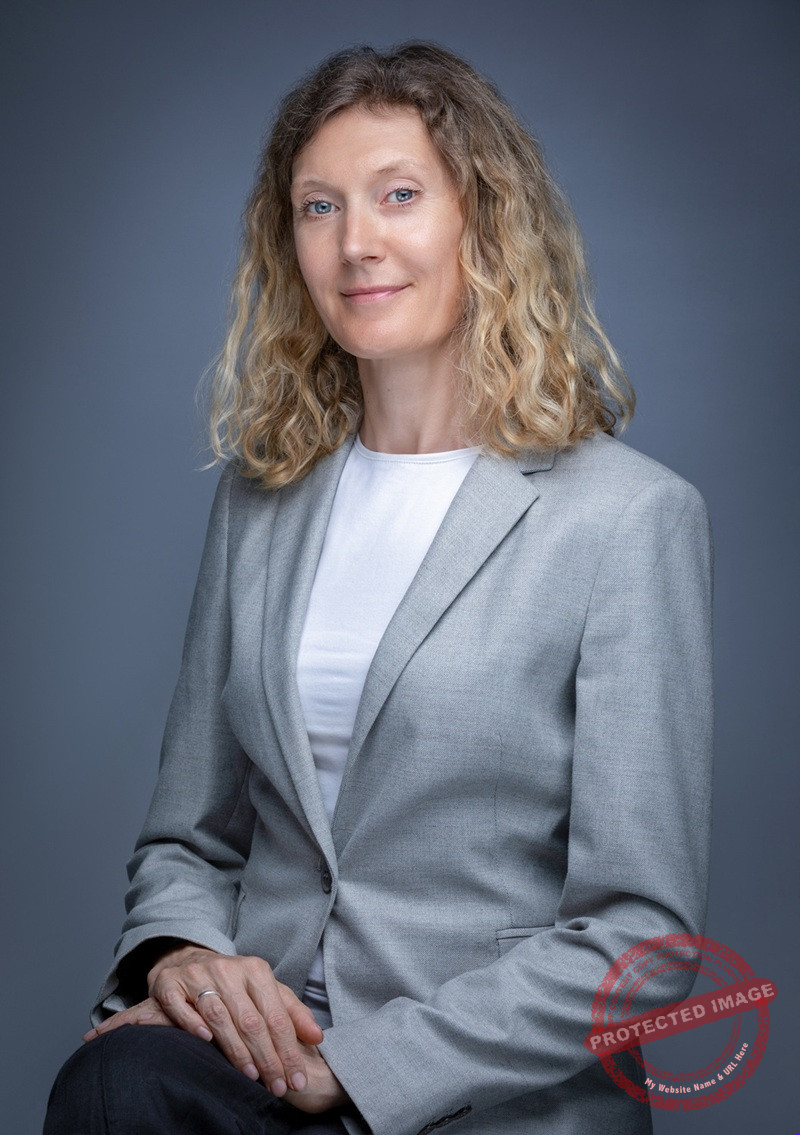
Engineering has always been about shaping the future—designing systems, solving complex problems, and pushing the boundaries of what is possible. Yet for much of its history, the field has lacked one critical element: balanced representation. While progress has been made in recent decades, women—especially young women—remain underrepresented across many engineering disciplines. Moving beyond the idea of simply “breaking barriers,” the conversation must now shift toward active participation, leadership, and influence. The future of engineering depends not only on including young women but on empowering them to help define its direction.
Engineers design solutions that affect diverse populations. When the people creating these solutions come from a narrow demographic, the outcomes risk being limited in perspective. Young women bring unique viewpoints shaped by different lived experiences, and these perspectives are essential for creating more inclusive, effective, and human-centered designs. When engineering teams are diverse, the solutions are more innovative and better at identifying overlooked issues, such as safety flaws or usability challenges that might otherwise go unnoticed.
Young women should no longer be just knocking on engineering’s door – they should be inside, redesigning the house. Yet their presence is still treated as exceptional rather than essential. For engineering to meet the demands of a turbulent century, young women must not only enter the field but help set its agenda.
For years, the narrative around women in engineering has focused on “breaking barriers.” While this acknowledges past challenges, it no longer captures the full reality. Young women are not only entering engineering—they are actively shaping its direction, particularly in regions like the Middle East where rapid development is redefining what engineering can achieve.
Across the Middle East, engineering sits at the core of ambitious national strategies. The UAE’s Net Zero 2050 initiative and large-scale developments like Masdar City highlight a strong commitment to sustainable innovation. These projects require more than technical expertise; they demand diverse perspectives to ensure solutions are inclusive, efficient, and socially relevant. Young women in engineering are increasingly contributing to this transformation.
Universities are the bridge between these aspirations and the workplace, and Heriot‑Watt has made gender inclusion part of its identity. Historically, it was the first institution in Scotland to admit women into STEM programs, a decision that signaled early on that engineering education should be open to everyone with the talent and drive to succeed. Today, across its global campuses, including Dubai, Heriot‑Watt continues to widen access through scholarships, inclusivity societies and women-focused events that help female students build confidence and professional connections before they even graduate.
Young women must help shape the future of engineering, not simply join it. The problems facing the UAE and the wider world – from decarbonising energy systems to designing climate‑resilient cities – are not purely technical. They are social, ethical and political. Engineers decide whose needs are prioritised, which risks are acceptable and how benefits are shared. When women manage oil reservoirs, lead aerospace projects or head construction teams, they bring different questions and lived experiences into those decisions. When universities like Heriot‑Watt back them with scholarships, skills, expertise and knowledge, they help ensure that those voices are not isolated, but part of a growing chorus.
Beyond breaking barriers means moving from celebration of the firsts – the first structural engineer, the first reservoir engineer, the first cohort of women in a programme – to a future where there are simply many. The UAE and Heriot‑Watt show that this shift is already under way. The task now is to sustain it, so that the next generation of girls looking up at a skyline, a solar farm or a spacecraft can see not just what has been built, but also a place for themselves in building what comes next.